





I regretted cutting my hair short before I had even learned how to style it.
Medium length hair has become a popular choice because it gives you more styling freedom than a short cut without the maintenance of very long hair. It works well with layers, soft waves, polished blowouts, and simple everyday styles, making it a practical length for many routines.
The salon appointment itself had gone beautifully. I arrived with several photographs of sharp jaw-length cuts, told my stylist I wanted something that felt completely different, and watched several inches fall onto the cape. Under the salon lights, with the ends curved neatly inward and every section sitting exactly where it should, the haircut looked cleaner and more modern than the longer style I had walked in with.
The problem appeared three mornings later.
I needed my hair off my face while working, but it was too short for a comfortable ponytail. I tried clipping the front back, only for the shorter pieces to fall loose. The ends had also started flipping where they touched my jaw, so I reached for a hot tool even though one reason I had cut my hair was to spend less time styling it.
I had chosen between “short” and “long” as though those were the only meaningful options.
Growing that haircut out eventually taught me why medium-length hair has become such an appealing place to stop in 2026. It offers enough length to behave like long hair when I need versatility, but enough removal to give the haircut shape, movement and healthier-looking ends.
I would not call it objectively the most wanted haircut for every person because there is no single global ranking that can prove that claim. But current 2026 haircut coverage repeatedly returns to collarbone cuts, lobs and shoulder-skimming styles, and after living through both shorter and longer extremes, I understand the attraction.
I Thought a Bigger Haircut Change Would Give Me a Bigger Result
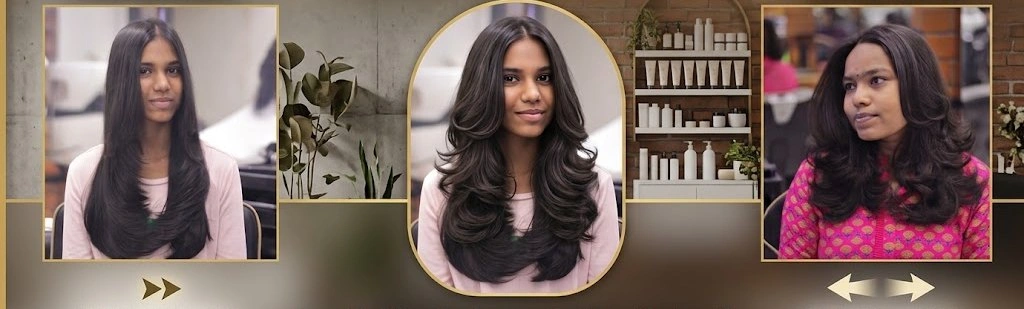
The mistake began before I sat in the chair.
My longer hair had stopped feeling interesting, and instead of asking what specifically bothered me, I decided I needed a dramatic transformation. I associated significant change with significant improvement.
What I actually disliked was much simpler. The bottom few inches felt thin, my old layers had grown unevenly, and the whole shape sat heavily around my shoulders.
I did not necessarily need short hair. I needed a better haircut.
That distinction became obvious during the grow-out period. Once the length reached somewhere around my collarbone, the problems I had wanted to fix were gone, but several advantages of longer hair had returned.
I could tie it back. I could curl it. I could wear it straighter. I could create an updo without needing dozens of pins. The ends looked fuller because I had removed the weakest length, yet the haircut still moved.
Current editorial coverage reflects that middle ground. Glamour’s collection of shoulder-length haircuts for 2026 includes lobs, layered cuts, curly shapes and other variations rather than treating medium length as one generic haircut.
That was the first lesson for me: medium length is not the absence of a haircut. The shape still matters.
The Collarbone Became More Important Than I Expected
For years, I thought medium hair meant hair that had simply not decided whether it wanted to be short or long.
Once mine reached the collarbone, I noticed how useful that specific area could be.
The hair was long enough to move past my jaw instead of repeatedly flipping against it. At the same time, it was short enough that removing damaged ends made the overall shape feel noticeably fuller.
There was also much less visual weight.
My very long hair could sometimes pull a layered haircut downward. The medium length allowed subtle layering to become visible without requiring aggressive short pieces around the crown.
That balance is showing up in current trend coverage. Allure’s 2026 summer haircut report identifies the collarbone lob among the season’s notable cuts, alongside more dramatic bobs and layered retro shapes. The appeal is not simply that the lob is fashionable. It occupies a practical length between a bob and genuinely long hair.
A more recent trend variation, the Italian midi haircut described by InStyle, similarly places the shape between the chin and collarbone, with relatively controlled layering and enough length for styling flexibility.
I had spent years thinking the middle was a temporary stage.
It turned out to be the stage I liked living with most.
Medium Length Gave Me More Than One Good Hair Day
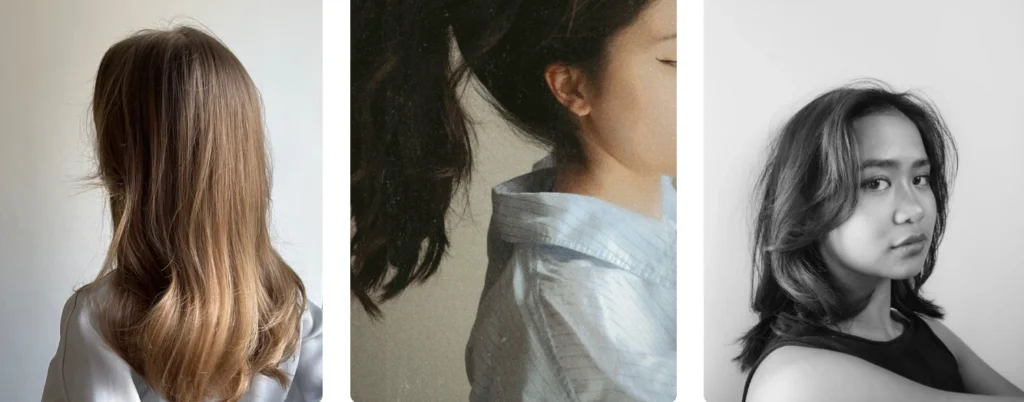
My short haircut had one version that looked fantastic.
Unfortunately, that version required styling.
My longer hair had the opposite problem. It offered many styling possibilities, but I often defaulted to the same loose ponytail because dealing with the full length felt inconvenient.
Medium hair gave me several acceptable versions of itself.
If I let it air-dry, the natural bends still looked intentional because the ends had shape. If I smoothed it, the length was manageable enough that the process did not feel endless. If I curled only a few sections, the movement remained visible instead of disappearing through a large amount of hair.
That versatility became more important than having one spectacular salon finish.
Vogue’s 2026 hair trend forecast describes a broader movement toward intentional styling, healthy-looking hair, bouncy finishes and polished shapes rather than one mandatory haircut length.
Medium hair suited that mood particularly well for me because I could change the finish without changing the haircut.
I Still Needed a Real Shape
The danger of calling medium hair versatile is that it can encourage a very vague salon request.
I made that mistake during one trim.
I told the stylist I wanted to keep it “around shoulder length” and did not say much else. Technically, that was exactly what I received.
The haircut also felt heavy and rectangular.
There was too much density around the bottom and not enough movement around my face. I had preserved the correct number of inches while losing the reason I liked the length.
The next time, I described behavior instead of measurements. I wanted the perimeter to remain reasonably full, but I wanted enough internal movement that my natural texture did not form one solid block.
That conversation worked much better.
Medium-length hair can be blunt, softly layered, heavily layered, shaggy, curly, straight or combined with a fringe. Length is only the framework.
This was where 1.Anchor became relevant to the way I began evaluating haircut inspiration. I stopped asking whether a photograph showed “medium hair” and started looking at density, texture, perimeter, layering and the amount of styling behind the finished image.
Fine Hair Changed My Opinion About Layers
One of my earlier assumptions was that layers automatically created volume.
They can create movement, but removing hair also removes weight and density from particular areas.
That matters.
Someone with very dense hair may appreciate weight removal through a medium cut. Someone with finer hair may prefer a stronger perimeter with more restrained layering so the ends do not appear unnecessarily sparse.
Current haircut coverage makes the same point indirectly by showing how many medium-length shapes coexist. The 2026 shoulder-length examples collected by Glamour include blunt lobs alongside shags, curly cuts and softer layers rather than presenting one layering formula for everyone.
My own mistake had been bringing a photograph of highly layered hair without considering that the person in the photograph had significantly more density than I did.
The stylist could reproduce the layer positions.
She could not reproduce someone else’s density.
Now I ask what the layer is meant to accomplish before agreeing to it.
Curly Hair Made the Length Question More Complicated
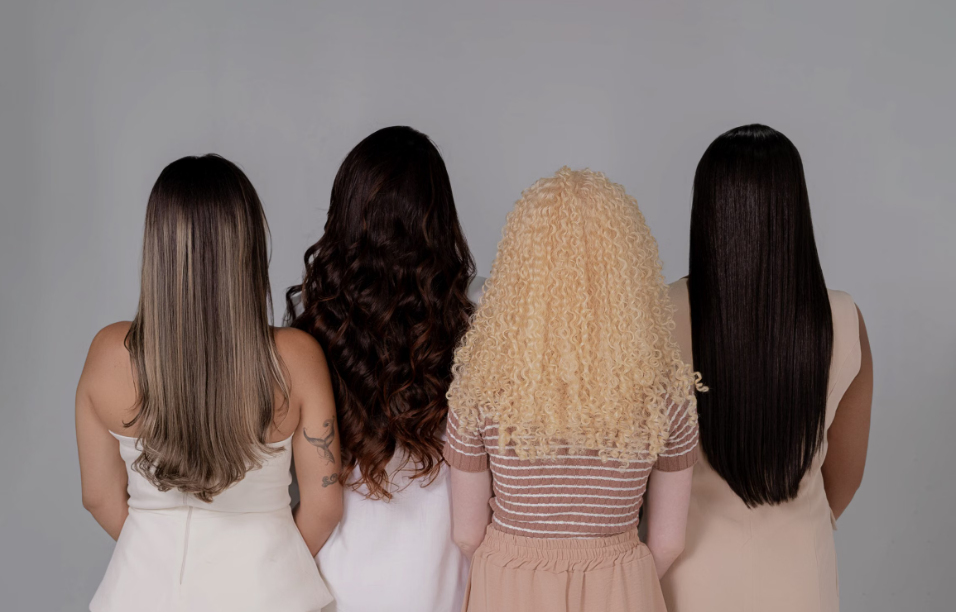
Medium length does not land in exactly the same place on every texture.
Curl pattern and shrinkage can make a shoulder-length cut appear considerably shorter after drying. Layers can also change how curls stack and where volume develops.
That means I would never judge a curly medium haircut only from wet length.
The American Academy of Dermatology explains in its guidance for curly and tightly coiled hair that these textures tend to be more prone to dryness and breakage and often benefit from different washing, conditioning and detangling practices than straighter hair.
That information changed the way I think about haircut trends generally.
A fashionable length cannot be separated from texture, because texture determines how that length behaves.
The version of medium hair that works for naturally straight hair may require a completely different cutting strategy for curls or coils.
The trend can be shared.
The haircut still has to be individual.
Medium Length Reduced My Dependence on Heat
This was one of the biggest practical surprises.
When my bob was short, I frequently styled the ends because every bend altered the silhouette. When my hair was very long, I used heat because air-drying such a large amount of hair sometimes left the lengths looking uneven.
At medium length, I became less concerned with perfect control.
There was enough movement built into the cut that a slight wave looked intentional. I could smooth only the front pieces or let the rest dry naturally.
That mattered because repeated heat is not neutral for hair health.
The AAD advises reducing blow-drying and hot-tool use where possible. Its hair styling guidance for limiting damage recommends allowing hair to partially air-dry and using lower temperatures when heated styling is necessary.
Its separate advice on preventing hair damage likewise recommends limiting exposure to curling irons, flat irons and other high-heat tools.
I would not claim medium hair automatically makes anyone’s hair healthier.
It simply made lower-heat styling more realistic for me.
That practical difference mattered more than the trend label.
The Ponytail Test Became Part of Every Haircut Decision
My short-hair regret had one very ordinary cause: I could not easily tie it back.
That might sound trivial compared with discussions about face-framing layers and fashionable silhouettes, but it affected me almost every day.
I wanted to pull my hair away from my face while working, exercising or dealing with warm weather. Short pieces around the neck repeatedly escaped.
When my hair reached medium length, that ability returned.
Now I test the proposed haircut against normal situations before an appointment. I think about where the shortest layers will land when I make a ponytail, whether a fringe will stay out, and whether enough hair will remain around the sides to secure comfortably.
Those questions have prevented more bad decisions than trying to decide what haircut supposedly suits my face shape.
The haircut needed to work while down.
It also needed to work when I did not want to think about my hair at all.
The Grow-Out Was More Forgiving
A very short haircut can change noticeably as it grows because relatively small increases in length alter the silhouette.
I experienced that repeatedly with my bob.
There was a polished stage, a slightly awkward stage and then a stage where the ends constantly interacted with my shoulders.
Medium hair did not create the same feeling for me.
If it grew an extra inch, it remained medium length. The basic styling options still worked. I could delay a salon appointment without feeling that the haircut had transformed into something completely different.
That made maintenance easier financially as well as practically.
A haircut that requires frequent reshaping may still be completely worthwhile for someone who enjoys regular salon visits. I simply learned that maintenance frequency should be part of the haircut decision.
I no longer judge the cost of a haircut by the appointment price alone.
I judge the entire relationship I will have with it until the next appointment.
Healthier-Looking Ends Were Part of the Appeal
When I first cut from long to medium, people kept asking whether I had changed my hair color.
I had not.
Removing several inches of older, weathered length changed the way the ends reflected light and made the perimeter appear fuller.
The improvement was visual, not magical repair.
Hair that has already been significantly damaged cannot biologically heal itself in the same way living skin can. Cosmetic conditioning can improve feel and appearance, while cutting physically removes damaged portions.
That made medium length useful for me during periods when I was trying to reduce accumulated wear without committing to very short hair.
The AAD’s healthy hair care recommendations emphasize gentle washing, appropriate conditioning and limiting excessive heat, all of which became easier for me to maintain once I was working with less length.
A haircut did not replace hair care.
It gave me a more manageable starting point.
I Stopped Using Face Shape as the Final Answer
I used to search for phrases such as “best haircut for round face” before every appointment.
The answers often contradicted one another.
One article told me to avoid shoulder length. Another recommended exactly that. One said I needed volume at the crown. Another suggested keeping everything sleek.
Eventually, I realised that my daily styling habits were producing more useful information than a geometric category.
I cared about tying my hair back. I preferred some movement around the face. I did not want to straighten my hair every morning. I wanted enough density at the ends that the haircut still looked substantial.
Those preferences gave the stylist something concrete to work with.
Medium length happened to accommodate them.
Someone else could have completely different priorities and make a different choice.
That is why I am cautious about calling any haircut universally flattering.
Customization matters more.
Why Medium Length Feels Especially Relevant in 2026
The current trend landscape helps explain why the middle has become interesting again.
Short hair remains highly visible in 2026, and Vogue’s coverage of celebrity bobs and chops confirms that shorter cuts continue to have strong momentum.
At the same time, current haircut coverage is full of collarbone lobs, softer bobs, mid-length layers and styles designed to preserve movement. Allure includes the collarbone lob in its summer 2026 forecast, while Glamour has devoted its current medium-hair guide to dozens of shoulder-length variations.
To me, that does not suggest everyone suddenly wants exactly fourteen inches of hair.
It suggests people are finding more interesting ways to occupy the space between a traditional short bob and genuinely long hair.
Medium length can borrow the clean perimeter of a bob, the movement of a shag and the styling flexibility associated with longer hair.
It does not demand allegiance to only one of them.
What I Would Ask for Now
I would no longer enter the salon saying only that I wanted medium-length hair.
I would show where I wanted the perimeter to fall when the hair was dry, describe how I normally wear it, and explain what I wanted the layers to accomplish.
I would also mention whether I needed a full ponytail, whether I normally air-dried or blow-dried, and how frequently I was willing to return for reshaping.
Those details would tell my stylist much more than saying I wanted the “2026 medium haircut.”
Trend language starts the conversation.
Daily behavior finishes it.
Why I Finally Stayed at Medium Length
I initially arrived at medium hair accidentally while growing out a haircut I regretted.
Then I stopped growing it.
That was the surprising part.
For years, every in-between haircut had felt temporary. I was either growing toward long hair or preparing to cut it short again. Once I stopped treating medium length as a waiting room, I noticed how many of my ordinary requirements it solved.
I could wear it down without managing a huge amount of hair. I could put it up without fighting short pieces. I could change the part, add waves, smooth it, layer it or leave it relatively blunt.
Most importantly, the haircut did not demand one particular version of me every morning.
That is why the current enthusiasm for medium-length hair makes sense to me.
Its biggest advantage is not that it supposedly suits everyone or that fashion editors have declared one exact shoulder-grazing shape compulsory for 2026.
It is that the length leaves room for options.
My shortest haircut looked more dramatic in the salon.
My longest hair looked more dramatic in photographs.
Medium hair was the length I actually wanted to live with.