




The serum foundation looked perfect until I stepped outside.
The best serum foundations combine lightweight makeup coverage with skincare-inspired ingredients, making them a practical choice when you want an even complexion without a heavy finish. Their fluid textures can help create a fresh, skin-like result while fitting easily into a simple everyday makeup routine.
I had applied it at 8:10 that morning beside a warm bathroom light. The finish looked smooth, moist and unusually fresh. The label mentioned hyaluronic acid, niacinamide and peptides, so I skipped my normal moisturiser. I also used less sunscreen because I did not want too many layers beneath such a lightweight formula.
Twenty minutes later, I checked my face in the car mirror.
The foundation had separated beside my nose, gathered in two dry lines under my eyes and disappeared from the centre of my chin. My cheeks looked shiny, but the skin underneath felt tight. The product had been sold as makeup that behaved like skincare. I had taken that description too literally.
My mistake was not buying a serum foundation. It was expecting one bottle to replace several products with very different jobs.
I Mistook an Ingredient List for a Skincare Routine
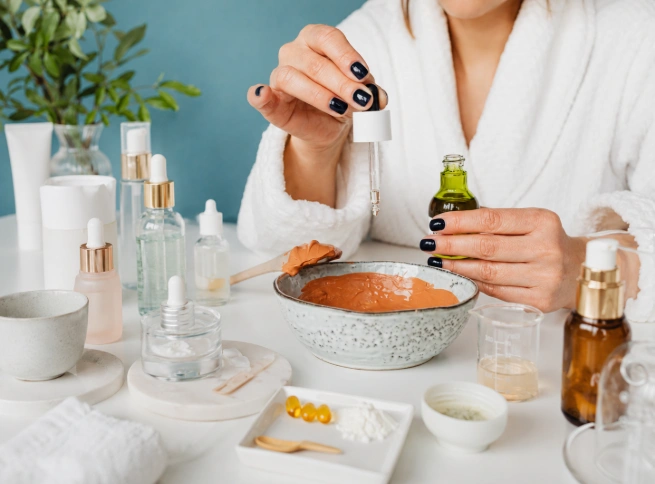
Serum foundations usually combine fluid coverage with ingredients more commonly associated with skincare. Depending on the formula, these may include humectants, oils, plant extracts, antioxidants, niacinamide or peptides.
That can make a foundation more comfortable and pleasant to wear. It does not automatically make it a complete moisturiser, treatment serum or sunscreen.
The US Food and Drug Administration classifies foundation as a cosmetic and explains that most cosmetic ingredients do not require individual FDA approval before a product is sold. Colour additives are a major exception and must be permitted for their intended use. This made me more cautious about treating skincare language as proof of medical or treatment-level performance. The FDA’s explanation of makeup regulation is much less dramatic than the claims printed on many foundation boxes.
I eventually realised that the ingredients in my foundation were not necessarily useless. They were simply being asked to work inside a colour cosmetic that also needed to spread evenly, remain stable, create coverage and survive several hours of facial movement.
A study examining a foundation containing plant extracts reported improvements in measures including hydration and transepidermal water loss after repeated use. That finding supports the possibility that a carefully designed foundation can offer skin benefits. It does not prove that every product described as skincare-infused will produce the same result. The published foundation study involved a specific formula under specific test conditions.
The Serum Texture Hid the Real Finish
I had assumed that a thin foundation would always look natural.
In practice, fluidity and finish are separate qualities. A watery formula can dry matte. A richer serum foundation can remain luminous. Some contain enough volatile ingredients to set quickly, while others remain movable for much longer.
My first bottle dried before I had finished blending one side of my face. I kept adding more product to correct the patches, which created a thicker layer than I would have applied with a traditional foundation.
The result looked natural from a distance and heavy at close range.
I learned to test the formula rather than trusting the word serum. I wanted to know whether it remained flexible after setting, whether it clung to dry areas and whether it mixed well with the sunscreen and moisturiser I already used.
Skincare and makeup pilling can also depend on the condition of the skin and the interaction between products. A study on the causes of skincare product pilling found measurable differences in skin hydration, oiliness and pH among participants who experienced pilling with sunscreen and foundation. That helped me stop blaming every rolled-up fragment on a single product. Sometimes the failure was the combination.
“Best” Began to Mean Best for My Actual Skin
I once judged serum foundations by ingredient count.
A foundation containing peptides, niacinamide, hyaluronic acid and botanical extracts seemed more valuable than one with a shorter list. After my failed purchase, I started asking a different question: did the formula improve the way the makeup wore on my skin?
For dry skin, a serum foundation may be useful when it contains humectants and flexible emollients and does not set too quickly. For oily skin, a heavily emollient formula may move, crease or become shinier as the day continues. Sensitive skin may react to fragrance or botanical additions even when the headline ingredients sound calming.
The American Academy of Dermatology advises people with sensitive or rosacea-prone skin to consider products labelled non-comedogenic and made for sensitive skin. It also recommends testing new products before applying them widely. The AAD’s rosacea skincare advice changed the way I trialled base products. I stopped testing foundation for the first time on mornings when I needed it to last eight hours.
Cosmetic reactions can appear as itching, redness or contact dermatitis. The FDA’s information about cosmetic allergens identifies fragrance, preservatives, dyes and other ingredient groups as possible triggers. A foundation can contain soothing ingredients and still contain something that a particular person cannot tolerate.
I Stopped Letting Foundation Replace Preparation
The biggest improvement came when I stopped expecting foundation to repair the skin beneath it.
On dry mornings, I used a suitable moisturiser and allowed it to settle. I applied a separate sunscreen in an adequate amount, then waited before adding foundation. On oilier days, I used less moisturiser in areas that did not need it rather than choosing the richest possible base across my entire face.
Cleveland Clinic’s basic skincare routine guidance notes that foundations and other cosmetics may contain SPF, but a separate facial sunscreen remains the more reliable foundation of sun protection. That point matters because the small amount of foundation used for an even cosmetic finish is unlikely to provide the same coverage as a properly applied sunscreen layer.
This was the context in which 1.Anchor became useful to my comparison process. I stopped treating the most skincare-heavy formula as the automatic winner and began comparing wear, ingredient transparency, shade depth, return terms and how well each product fitted over my existing routine.
The Bottle and Shade Range Told Me More Than the Marketing
A dropper bottle looked appropriate for a serum, but it became messy around the neck and exposed the formula repeatedly to air. A pump was less attractive in photographs but easier to control.
Packaging affected how much product I used and how cleanly I could use it. It also affected whether the formula remained pleasant near the end of the bottle.
I began reading the ingredient label and checking the amount of product instead of judging the container’s weight. The FDA requires retail cosmetics to carry ingredient declarations and other specified labelling information. Its summary of cosmetic labelling requirements helped me understand what useful information should be available before purchase.
Shade range mattered just as much as skincare ingredients. A beautiful formula was not useful when its nearest shade became orange after thirty minutes or required mixing two expensive bottles.
I also stopped keeping foundations after their texture or smell changed. The AAD advises replacing makeup when its consistency, colour or odour changes. Its guidance on when to discard makeup and sunscreen specifically mentions foundation separation as a warning sign.
What I Now Expect From a Serum Foundation
I expect makeup first.
I want the shade to match, the coverage to remain even and the finish to suit my skin. Hydrating or soothing ingredients can improve the experience, but I no longer use them as permission to skip skincare.
The best serum foundation for me is not the one with the longest list of fashionable actives. It is the one that works with my moisturiser and sunscreen, remains comfortable for the required number of hours and still looks like skin in natural light.
My failed foundation was not completely bad. Used over proper preparation and in a smaller amount, it eventually became wearable.
The product did not need to change. My expectations did.