



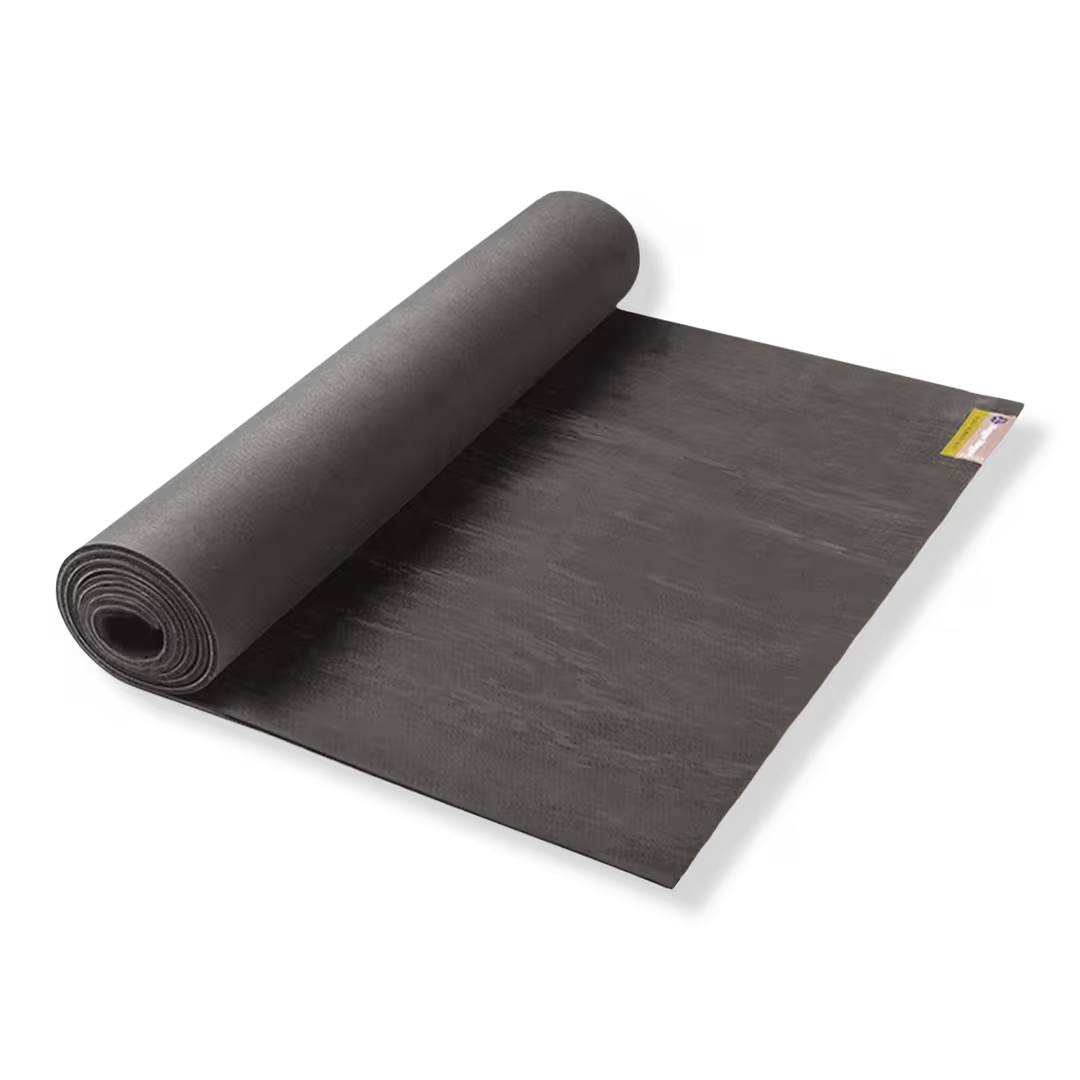
Hugger Mugger Para Rubber Yoga Yoga Mat, officially named the Para Rubber Yoga Mat by Hugger Mugger, is a dense natural-rubber exercise mat designed around strong dry grip, supportive cushioning, and a stable feel during yoga practice. The current mat measures 70 × 24 inches, has a 5 mm / 3/16-inch thickness, weighs approximately 6.6 lb, and uses an open-cell natural-rubber construction. Ulta currently carries the product under the doubled “Yoga Yoga Mat” title.
Its two-sided design provides a different surface texture on each side, giving the user a choice between grip feels while keeping natural rubber in contact with the floor. Hugger Mugger currently offers the standard mat in Alpine, River, Twilight Mauve, and Storm.
About Para Rubber Yoga Yoga Mat
The Para Rubber Yoga Mat is built for people who prefer a substantial mat rather than an ultralight foam surface. Natural rubber gives it more density and weight than many synthetic travel mats, which helps it lie flat and stay more planted during standing poses, transitions, and flowing sequences.
Hugger Mugger describes the mat as having superior non-slip grip on both sides. One side uses small raised bumps, while the other provides a different textured surface, allowing either face to be used during practice. Its 5 mm thickness supplies noticeable cushioning without turning the mat into a deeply padded exercise pad.
These dimensions and material specifications reflect Hugger Mugger’s current manufacturer listing rather than older retailer descriptions that sometimes refer to the mat as roughly 1/4 inch thick.
Para Rubber Yoga Yoga Mat Features
The defining feature of this mat is traction without needing the surface to become wet first. Natural rubber provides substantial dry grip, which makes the Para Rubber Mat different from microfiber-covered yoga mats whose traction may improve mainly after perspiration reaches the surface. Hugger Mugger positions it particularly well for standing practice, vinyasa, power yoga, and other sessions where a firmly planted mat is useful.
Its second important feature is density. Natural rubber is heavier than many foam-based yoga-mat materials. That increases carrying weight, but it also helps the mat remain flat instead of easily shifting or bunching during quicker transitions.
Two Different Grip Textures
Both sides of the Para Rubber Yoga Mat can be used.
Ulta describes one side as having small bumps that provide steady traction, while the reverse side offers a different dry-grip texture. This lets the surface feel be adjusted without purchasing another mat.
Hugger Mugger also describes the natural-rubber surface as high traction and notes that its density helps create a grounded platform.
This two-sided construction can be useful when one texture feels more comfortable beneath the hands while the other is preferred beneath the feet or during slower floor-based practice.
Dry Grip For Regular Yoga Practice
A particularly useful characteristic of natural rubber is that it provides grip before significant sweating starts.
Hugger Mugger describes the Para Rubber Yoga Mat as providing strong dry grip, meaning there is no requirement to spray the surface with water before an ordinary practice.
That makes it different from towel-topped hot-yoga mats, which may intentionally become more secure as their textile surface gets damp.
The Para Rubber design is therefore particularly appropriate for normal-temperature yoga, vinyasa, standing sequences, balance work, and moderate-sweat sessions where immediate traction is the priority.
For extremely sweaty hot-yoga sessions, Hugger Mugger itself notes that a mat designed specifically around moisture management or an added yoga towel may be more practical.
5 mm Cushioning
The current mat is 5 mm thick. Hugger Mugger describes that thickness as providing cushioning and shock absorption while preserving a stable, connected feeling.
Five millimeters sits between a thin travel mat and a heavily padded exercise mat. That allows enough material beneath the body to soften contact with a hard studio or home floor while still keeping standing poses relatively grounded.
Knees, wrists, elbows, and other contact points may particularly benefit from having a dense rubber layer underneath them.
Cushioning should still be understood as a comfort feature rather than a guarantee against discomfort or injury. If a movement causes pain, simply using a thicker mat is not a reason to keep forcing the position.
Dense Natural-Rubber Construction
The Para Rubber Mat is made from natural rubber rather than PVC or lightweight TPE foam. Hugger Mugger describes the rubber as renewable and sustainably sourced.
Natural rubber gives the mat several of its defining characteristics at once: weight, traction, flexibility, cushioning, and the familiar rubber scent present when many new natural-rubber products are first opened.
Hugger Mugger also identifies the material as open-cell. Open-cell materials have microscopic spaces that can interact with small amounts of moisture, which contributes to the mat’s tactile surface characteristics.
The material should still be cleaned and dried properly because natural rubber does not respond well to soaking, harsh cleaners, or prolonged direct sunlight.
Natural Rubber Means A Latex Consideration
This is one of the most important details on the product page.
Hugger Mugger explicitly states: do not use this mat if you have a latex allergy. The mat is made from natural rubber, and natural rubber can contain the proteins associated with latex reactions.
The American Academy of Allergy, Asthma & Immunology explains that natural rubber latex originates from rubber-tree sap and that certain proteins in natural rubber can trigger allergic reactions in susceptible people.
The mat should therefore not be described simply as “natural” or “eco-friendly” without mentioning latex. For someone with a known natural-rubber latex allergy, a latex-free synthetic alternative is a more appropriate material choice.
Open-Cell Surface
Hugger Mugger identifies the mat as having an open-cell structure.
Open-cell rubber generally provides a more porous surface than a fully sealed closed-cell mat. That can help create its grippy feel, but it also makes correct cleaning particularly important.
The mat should not be immersed in water or left soaking because moisture can enter the material more readily than it would with a completely closed surface.
Hugger Mugger recommends surface cleaning rather than treating the Para Rubber Mat like a washable fabric fitness accessory.
Stable Weight On The Floor
At approximately 6.6 lb, this is not an ultralight yoga mat.
That weight creates a practical tradeoff. Carrying it to and from classes takes more effort than carrying a thin travel mat, but the same density helps it remain planted during movement.
Hugger Mugger notes that dense rubber resists bunching during quicker transitions, which can be valuable during vinyasa and power-based practices.
For a permanent home practice area, the extra weight may barely matter. Someone commuting long distances with a mat may value portability more and prefer a lighter construction.
Standard 70 × 24 Inch Surface
The standard Para Rubber Mat measures 70 inches long and 24 inches wide.
That places it within the conventional yoga-mat size range. Hugger Mugger describes standard mats generally as approximately 68 to 72 inches long and around 24 inches wide.
A separate Para Rubber XL Yoga Mat is available when additional length and width are preferred. The current XL version measures 78 × 28 inches.
This distinction is useful for buyers who want the same general natural-rubber concept but find a conventional 24-inch-wide practice space restrictive.
Grip For Vinyasa And Flow
Vinyasa creates repeated transitions between standing, floor, plank, and weight-bearing positions. During those movements, a mat that shifts easily can become distracting.
Hugger Mugger recommends natural-rubber mats such as the Para Rubber Yoga Mat for vinyasa and power styles because the material’s weight helps hold it in place while its surface provides immediate traction.
That does not make the mat exclusive to advanced or fast-paced practice.
The same grip can be useful during basic standing poses, beginner sequences, mobility work, and slower yoga sessions where maintaining consistent hand and foot placement matters.
Support For Slower Practice
Dense cushioning also gives the mat a role outside dynamic yoga.
During slower sequences involving seated, kneeling, or reclined positions, the 5 mm rubber layer creates separation from a hard floor while remaining relatively firm.
A mat does not need to be extremely soft to feel supportive. In fact, too much softness can make balance work feel less stable.
The Para Rubber Mat takes the opposite approach: dense cushioning rather than thick, compressible foam.
Yoga, Strength And Balance
Yoga can include a combination of mobility, balance, muscular endurance, and controlled movement depending on the type of practice.
The CDC recommends that young people take part in varied, enjoyable physical activity that includes aerobic, muscle-strengthening, and bone-strengthening movement.
A yoga mat itself does not create those outcomes. It simply provides a dedicated surface on which appropriate movement can be performed.
The National Center for Complementary and Integrative Health also advises that yoga is generally considered safe when practiced appropriately, while acknowledging that strains and sprains can occur. A suitable mat can improve comfort and traction, but technique and sensible progression still matter.
Cleaning Para Rubber Yoga Yoga Mat
Hugger Mugger recommends cleaning the mat with a yoga-mat wash or a warm, damp towel.
The goal is to remove surface dust, skin oils, and ordinary residue without saturating the natural rubber.
This matters for grip as well. Hugger Mugger notes that accumulated skin oils and dirt can create a slick film on a rubber surface over time, so periodic cleaning helps maintain its intended traction.
Harsh scrubbing is unnecessary. Gentle surface cleaning followed by proper air drying is more appropriate for an open-cell rubber mat.
Avoid Alcohol-Based Cleaning
Hugger Mugger advises against using alcohol on natural-rubber and open-cell mats because it can dry the material and potentially contribute to cracking or reduced grip.
That makes a simple manufacturer-approved mat cleaner or warm damp towel preferable to improvised disinfecting solutions.
Cleaning products designed for PVC or hard gym equipment are not automatically suitable for natural rubber.
The manufacturer’s care directions should therefore take priority over a generic fitness-equipment cleaning routine.
Do Not Machine Wash Or Soak It
The Para Rubber Mat should not be machine washed and should not be soaked in water.
A washing machine places unnecessary mechanical and water stress on the natural-rubber construction, while prolonged soaking can allow an open-cell material to take in considerably more moisture than intended.
After surface cleaning, the mat should simply be left to dry thoroughly before being rolled or stored.
This is different from some microfiber-topped yoga mats that are specifically designed for occasional machine washing.
Air Dry Away From Direct Sunlight
Hugger Mugger recommends air drying the mat out of direct sunlight. The company warns that prolonged direct sun exposure can fade the color.
Heat and ultraviolet exposure can also be unnecessarily harsh on natural rubber over time.
A ventilated indoor location or shaded drying area therefore makes more sense than leaving the mat on a sunny balcony or inside a hot vehicle.
The mat should be fully dry before long-term storage so moisture is not trapped while it is tightly rolled.
The Natural-Rubber Smell
A new Para Rubber Yoga Mat can have a noticeable natural-rubber scent.
Hugger Mugger openly acknowledges this and says the smell becomes less noticeable after the mat is aired out and wiped down for several days, then continues to dissipate over time.
That initial smell is different from an added perfume. It comes from the natural-rubber material itself.
Someone particularly sensitive to rubber odors may want to allow the mat time to air before using it in a small enclosed room.
Four Current Color Options
The current manufacturer page lists Alpine, River, Twilight Mauve, and Storm.
The rubber is streaked or marbled rather than printed with a separate textile design, giving each colorway a subtle patterned appearance.
Color choice does not alter the mat’s listed dimensions, material, thickness, or grip system.
Hugger Mugger warns that direct sunlight can fade these colors, so care and storage remain the same whichever finish is selected.
Standard Para Rubber Mat Versus XL
The standard Para Rubber Mat is 70 × 24 inches and weighs 6.6 lb.
The separately sold Para Rubber XL increases the practice area to 78 × 28 inches while retaining natural rubber and two-sided traction.
The standard version makes more sense when familiar studio dimensions and easier carrying matter most. The XL is more relevant when additional room is worth the increase in overall bulk.
This is a size decision rather than a difference in the basic Para Rubber concept.
Who May Appreciate Para Rubber Yoga Yoga Mat
The Para Rubber Yoga Mat makes the strongest case for someone who prioritizes immediate dry grip, a firmly planted mat, and dense cushioning.
It is particularly suited to regular home or studio practice where a 6.6 lb mat is practical to transport. Flow-based yoga, standing sequences, balance work, and moderate-sweat sessions can all benefit from its high-traction rubber surface.
Someone who wants an ultralight travel mat may find the natural-rubber construction unnecessarily heavy. Very hot, high-sweat practice may also favor an absorbent towel-topped mat or separate yoga towel.
Most importantly, anyone with a latex allergy should avoid this mat, in line with the manufacturer’s explicit warning.
What Makes Para Rubber Yoga Yoga Mat Different
The defining quality of the Hugger Mugger Para Rubber Yoga Mat is that grip, cushioning, and stability all come primarily from one material: dense natural rubber.
Its two usable textures provide traction on either side, while the 5 mm open-cell construction creates enough cushioning for floor contact without the unstable softness associated with very thick foam. At 70 × 24 inches and 6.6 lb, it is clearly designed more as a durable everyday practice mat than a compact travel surface.
Its care requirements are equally important. Natural rubber should be surface cleaned rather than soaked, kept away from alcohol-based cleaners, air dried outside direct sunlight, and avoided entirely when a natural-rubber latex allergy is present.
For Erothots, Para Rubber Yoga Yoga Mat is best positioned as a 5 mm two-sided natural-rubber yoga mat offering strong dry grip, dense cushioning, and a stable grounded feel for regular yoga and movement practice, with its 6.6 lb weight, open-cell care requirements, and latex warning made clear before purchase.

Reviews
There are no reviews yet.