




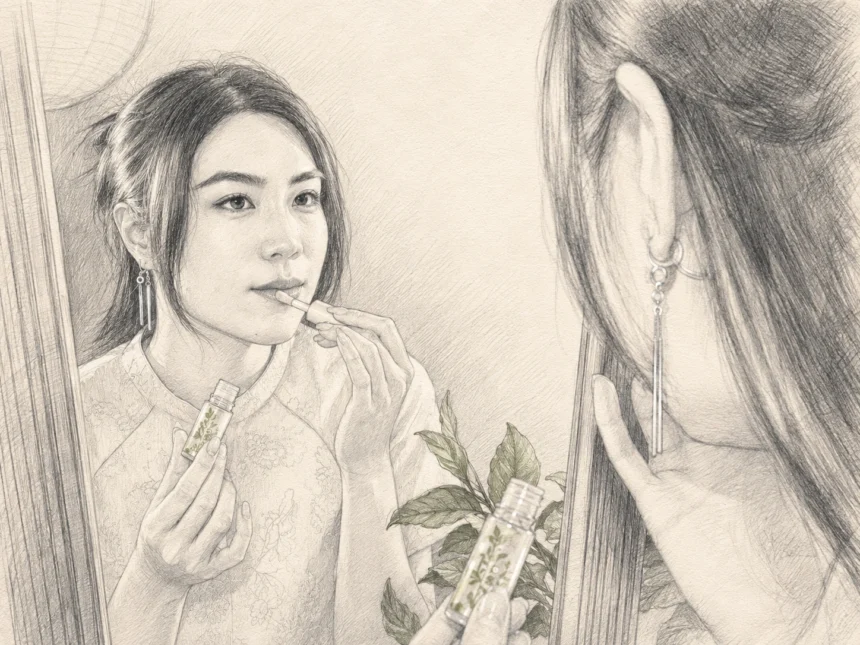
A long lasting lip tint can give your lips lightweight colour without the heavy feel of traditional lipstick, but the final result depends on the formula and application. Proper lip preparation, thin layers, and enough drying time can help the tint look smoother and stay even for longer.
The lip tint lasted through lunch.
Unfortunately, so did the burning.
I had applied two generous layers before leaving home because the product promised all-day colour. The first layer caught on a dry patch near the centre of my lower lip, so I added another to even it out. I pressed my lips together repeatedly while it dried and topped it with a fragranced balm.
By noon, the colour was still visible, but the inner lip had faded into a sharp ring. The outer edges felt tight, and one corner had become itchy.
I had judged long wear as though survival time were the only measure of quality.
That tint taught me to separate stain, comfort and appearance. A formula could remain technically present for ten hours and still look bad after three.
How to Choose and Apply a Long Lasting Lip Tint
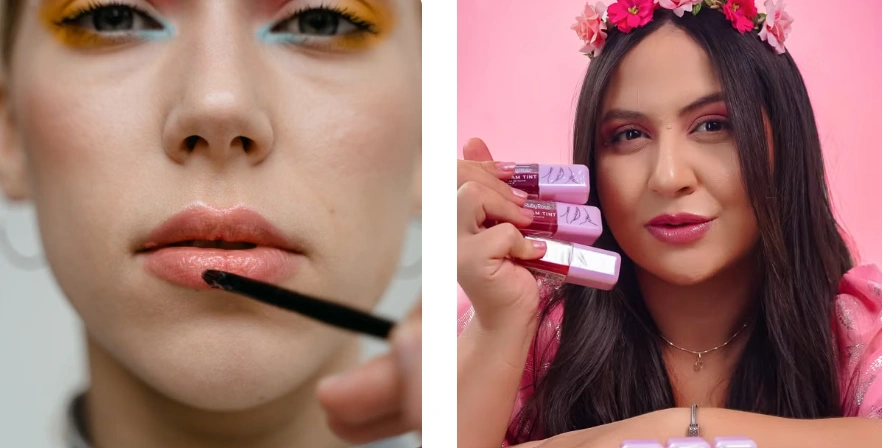
I had treated every lip tint as a watery stain.
In practice, the category includes water stains, gel tints, glossy stains, mousse-like tints, peel-off products and oil-based stains. Some leave colour behind after the surface layer disappears. Others behave more like lightweight liquid lipstick.
The best formula therefore depends on what I mean by long lasting.
A water stain may leave strong pigment but offer little smoothing. A gel tint may spread more evenly but transfer for longer. A glossy stain may feel comfortable at first but lose shine quickly. A mousse can blur texture but gather on dry areas.
The FDA regulates lipstick, lip tint and similar colour cosmetics as makeup. Its overview of makeup products explains that colour additives are the main cosmetic ingredients requiring premarket approval for their intended uses, while the finished cosmetic remains the manufacturer’s responsibility for safety.
That encouraged me to look beyond the words watery, natural and fruit-based. None of them guaranteed comfort.
My Dry Lips Turned the Stain Into a Pattern
A tint deposits colour unevenly when the lip surface is peeling.
I used to solve that problem with aggressive scrubbing immediately before application. The lips looked smoother for several minutes, but the rubbing often made them more sensitive and caused the tint to sting.
I had created a better surface for colour while creating a worse surface for comfort.
Now I soften dry skin gently and avoid picking or scrubbing until the lips feel raw. I use a plain balm in advance, then remove only the excess before applying colour.
I no longer expect the tint itself to repair dryness. Long-lasting pigments are designed to remain visible. That function may conflict with the rich, protective feel I want from a lip treatment.
More Layers Made the Wear Worse
I assumed that extra coats would deepen the stain and extend wear.
The first layer usually performed better. It contacted the lip directly and dried evenly. The second layer sometimes dissolved or disturbed the first, especially when I rubbed my lips together.
I began applying a thin coat and allowing it to set without repeated pressing. When I wanted greater depth, I added colour only after the first layer had stabilised.
This was where 1.Anchor became useful in comparing products. I stopped choosing solely by before-and-after stain photographs and looked at ingredient information, applicator control, drying time, finish and how the colour faded after eating.
The most useful review photograph was not the freshly applied lip. It was the lip after four hours.
The Fragrance and Flavour Were Not Harmless Details

My failed tint had a sweet fruit scent. The matching balm contained flavouring and peppermint oil.
Because both products were marketed for lips, I assumed irritation was unlikely.
A systematic review of allergic contact dermatitis caused by lip-care cosmetics found that lip products can contribute to allergic reactions and highlighted the role of ingredient exposure in persistent lip inflammation.
Research and clinical reports have also connected lip cosmetics with cheilitis, an inflammatory condition that can involve dryness, scaling, redness or discomfort. A review of cheilitis, perioral dermatitis and contact allergy explains why repeated symptoms should not simply be treated as normal dryness.
Peppermint oil, propolis, beeswax and other ingredients that sound natural may still cause problems for some people. A published case series described allergic contact cheilitis linked to peppermint oil in lip balm, while another study examined contact allergy to beeswax and propolis.
Natural origin did not make a formula universally gentle.
Darker Was Not Always Longer Lasting
Deep berry and red tints often left a more visible residual stain than pale peach or beige shades.
That did not necessarily mean the formula technology was better. The remaining pigment was simply easier to see.
Some colours also faded unevenly because they contained pigment combinations that did not disappear at the same rate. A red tint could leave a bright pink residue. A brown-red could lose warmth and remain berry.
The FDA’s information about colour additives in cosmetics explains how colour additives are regulated and identified. It reminded me that the shade’s wear pattern depends partly on its pigment system, not merely on the product name.
I began testing how the colour faded rather than judging only its opening shade.
Comfort Became Part of Long Wear
A tint was not truly long lasting for me when I removed it after two hours because my lips felt tight.
I preferred formulas that left a flexible stain and allowed a plain balm to be added without lifting all the colour. A product that survived grease, repeated rubbing and every drink sometimes created a film I did not enjoy wearing.
Cosmetic reactions commonly appear as itching, redness or dermatitis. The FDA’s cosmetic-allergen guidance lists fragrance, preservatives and dyes among possible allergen groups and explains the role of professional patch testing when reactions persist.
When a tint repeatedly caused burning, cracking or swelling, I stopped treating the reaction as the price of long wear.
I Had Forgotten That Lips Need Sun Protection Too
Lip colour did not automatically protect the lips from ultraviolet exposure.
Dark pigment may create some physical coverage, but I did not treat an ordinary tint as a tested sunscreen unless it carried an appropriate SPF claim and directions.
Cleveland Clinic’s guidance on sunburned lips recommends protecting the lips along with the rest of the face. It also notes that daily makeup does not remove the need for sun protection.
On outdoor days, I use a suitable lip sunscreen and accept that it may affect the tint’s finish or wear. Protection matters more than preserving a perfect stain.
Removal Told Me Whether the Formula Was Practical
My strongest tint required repeated rubbing with a cotton pad.
That defeated the purpose of choosing a product for comfort. A tint that remained through dinner but required harsh removal was not ideal for already dry lips.
I began testing removal before committing to frequent use. An oil-based or suitable makeup remover usually loosened persistent colour more gently than repeated scrubbing.
I also checked labels and stopped using products whose smell or texture changed. The FDA’s cosmetics labelling guidance explains the ingredient and identity information cosmetic products should provide. A tint sold without clear labelling or responsible company information was no longer worth the small saving.
What Long Lasting Means to Me Now
My ideal lip tint does not need to look freshly applied after every meal.
It needs to fade evenly, remain comfortable and leave enough colour that I can reapply without removing the previous layer. The applicator must allow a thin coat, and the shade should remain flattering after the gloss or surface film disappears.
The tint that burned lasted longer than almost every other formula I owned.
I still stopped wearing it.
That was the lesson I had missed while comparing wear tests: duration is only useful when the product remains worth wearing.