Erothots Fashion Studio
Clothes stop looking borrowed the moment the shoulder sits where your shoulder actually is. We measure, cut and hand finish garments to your body, whether that means a gown built from paper pattern to final hem or a jacket you already own that has never quite closed correctly.
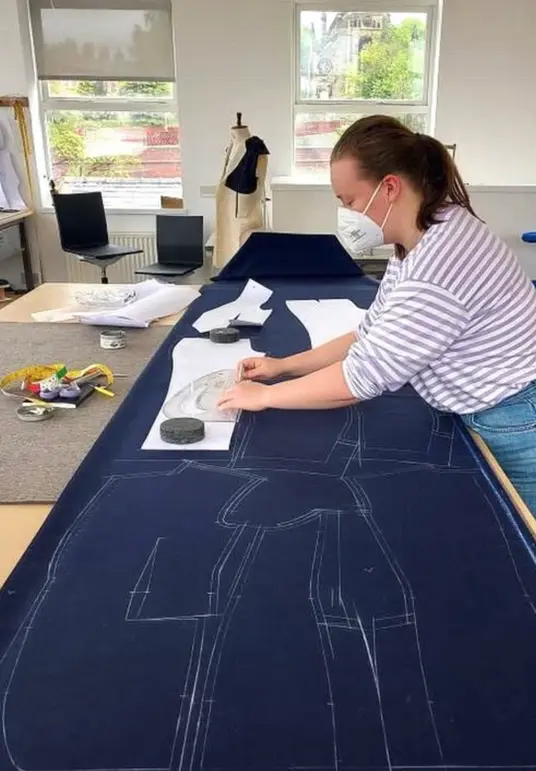
Fitting Record
On This Page
Fit, Explained
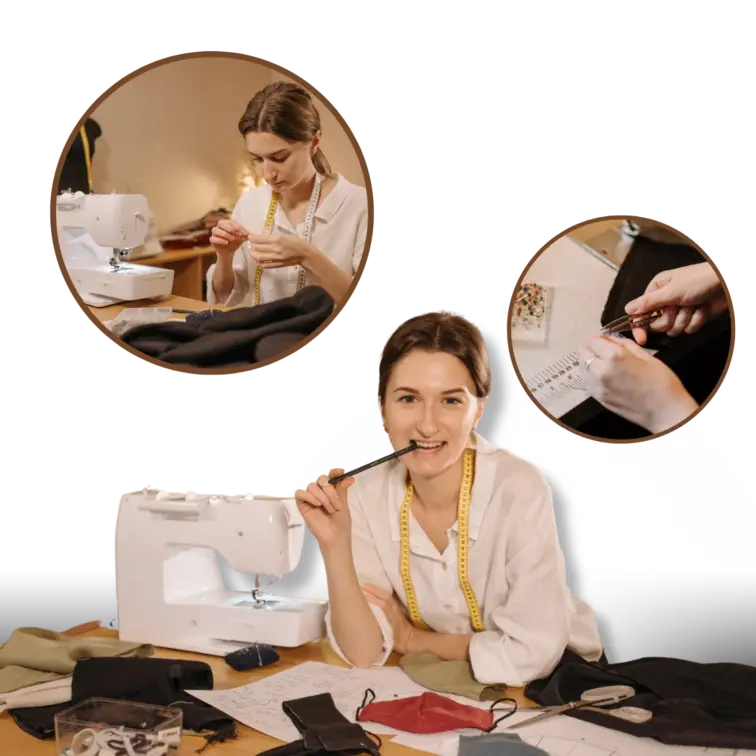
Cloth Cut To A Pattern Drafted For One Body
Custom tailoring is the practice of building or reworking a garment against one person's measurements instead of a size chart. A pattern is drafted or adjusted, a fabric is cut with the grain running the way it should, and the piece is corrected across a series of fittings until the seams fall where your body actually is.
Ready to wear sizing is an average. It assumes a fixed relationship between bust, waist, hip and height, and most people sit outside that assumption in at least one place. That is why a dress can fit the hip and gape at the back, or a blazer can button neatly and still pull across the shoulder.
At the studio the same hands that draft your pattern also run your fittings, so nothing is lost in a handover. If you want the finished garment styled into a full wardrobe rather than treated as a single piece, that work sits with our bespoke styling service.
Three Routes
Three different services get called tailoring, and they carry very different prices and timelines. This is how we separate them.
| Service | Starts From | Fittings | Best For |
|---|---|---|---|
| Bespoke | A pattern drafted from scratch for you | Three to four | Occasion gowns, wedding pieces, anything with no ready made equivalent |
| Made To Measure | An existing studio block adjusted to your figures | Two, third free if needed | Dresses, separates and suiting where the silhouette already suits you |
| Alterations | A finished garment you already own | One to two | Hems, waist adjustments, sleeve length, resizing after a body change |
Garment Types
If it has a seam, it can usually be corrected. These are the pieces that come through the workroom most often.
Bodice refits, bustle construction, strap and neckline changes, and hem work on layered skirts. Booked with enough room for a final fitting close to the date.
Gowns, cocktail dresses and separates, cut for the way you will actually sit, dance and move through the evening rather than only for standing still.
Shoulder and sleeve reshaping, waist suppression, trouser taper and length. The adjustments that decide whether a jacket reads as sharp or as borrowed.
Lehengas, sarees, abayas, kurtas and blouse pieces, drafted or adjusted with respect for the drape and the finishing each style expects.
Coats, blazers and anything with canvas, lining or shoulder padding, where a correction has to travel through several layers to hold.
Bringing an inherited or archived piece back into wear, or resizing a favorite garment after a change in measurements rather than replacing it.
From Paper To Pressed
Six stages, in order. Nothing is cut until the paper stage is agreed, and nothing is finished until you have seen it on your own body.
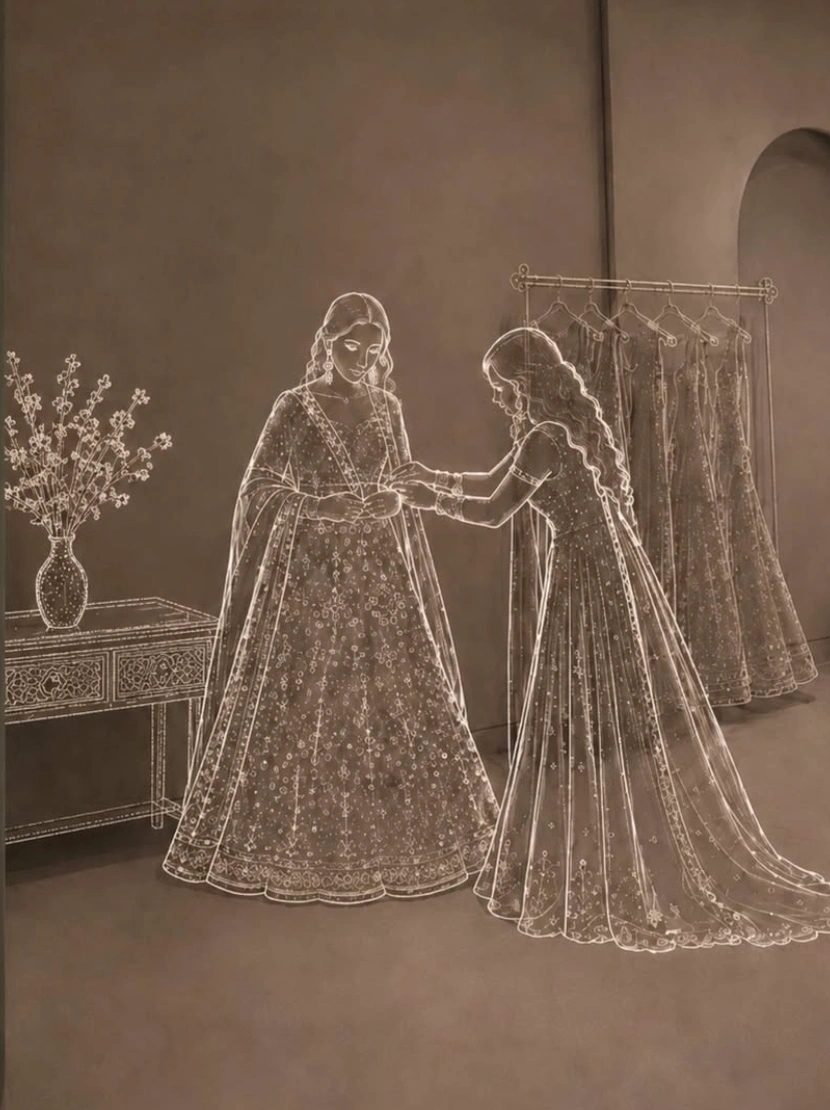
Nothing Is Cut Until The Paper Stage Is Agreed
We talk through the occasion, the silhouette you want and the pieces you already wear most. Bring reference images if you have them, and the shoes you plan to wear.
Between fourteen and twenty two measurements depending on the garment, plus notes on posture, shoulder slope and any asymmetry. These are kept on file for your next commission.
We match cloth to the shape you want. Structure, weight, stretch and drape all change what a pattern can hold, so this is decided with the design, not after it.
The pattern is drafted and, for bespoke work, made up in calico first. You see the shape in three dimensions while every seam can still be moved for free.
The garment is cut in your chosen cloth and basted together. The second fitting resolves balance, closure position and length while the seams are still open.
Hems, linings, closures and pressing are finished by hand, then you try the piece one final time before it leaves. Small corrections at this stage are included.
Why It Works
What actually happens when a garment is built for one person rather than for a size band.
Ready to wear can only fit your largest measurement. A drafted pattern fits bust, waist, hip and length independently, so nothing has to be compromised to accommodate something else.
Rounded shoulders, an uneven shoulder line and a longer or shorter back rise are normal. They are also the reason hems hang crooked. A custom pattern corrects for them at the source.
Fiber content, weight and lining are your decisions. That controls how the piece breathes, how it creases in a car, and how many seasons it stays in rotation.
Generous seam allowances mean a garment can be let out or taken in later. A well cut piece is adjustable for years instead of being replaced after one size change.
One garment made correctly replaces the cycle of ordering three sizes, keeping the closest and returning the rest. Cloth is cut to a measured plan, not to a guess.
Once your block exists, the second commission is faster and needs fewer fittings. Repeat pieces can often be produced without starting the drafting stage again.
Honest Trade Offs
It is not the right route for every purchase. These are the genuine trade offs, and what we do about each one.
You are paying for drafting, cutting, fittings and hand finishing, not only for cloth. A single commission can cost more than several ready to wear pieces.
How We Handle ItA written estimate is agreed before any cloth is cut, and alterations to garments you already own are quoted separately as a lower cost route.Between two and six weeks depending on the garment and the number of fittings. This is not a same week solution for an event on Saturday.
How We Handle ItWe book backward from your date and tell you honestly at the first inquiry if the timeline does not work, rather than accepting the job and rushing it.Fittings cannot be done remotely. For bespoke work that means two or three visits to the studio across the build.
How We Handle ItFittings are scheduled in advance as a block, and where possible we combine stages so fewer visits are needed.Weight, drape, stretch and lining all interact. It is easy to fall for a cloth that will not hold the shape you asked for.
How We Handle ItWe narrow the selection to options that suit your design first, so you choose between fabrics that will all work rather than between everything.A significant change in measurements after the final fitting will show, particularly in structured pieces such as jackets and bodices.
How We Handle ItSeam allowances are left generous where the garment permits, and the final fitting is scheduled as close to your date as the finishing allows.A piece cut to your measurements has no resale value to anyone else, so it is not returnable in the way a shop bought item is.
How We Handle ItThe calico stage exists precisely for this. You approve the shape in three dimensions before your cloth is cut.Side By Side
A side by side view, so you can decide which route your next piece deserves.
| Point Of Difference | Custom Tailoring | Off The Rack |
|---|---|---|
| Fit | Drafted to your measurements and posture | Built to a size band average |
| Lead Time | Two to six weeks | Immediate |
| Cost | Higher upfront, lower cost per wear over time | Lower upfront, often replaced sooner |
| Fabric Choice | Selected by you from the studio range | Fixed by the manufacturer |
| Future Adjustment | Generous seam allowance left for later work | Minimal allowance, limited scope to let out |
| Best Use | Occasion pieces, bridal, tailoring you will keep | Trend pieces, casual wear, short term needs |
Before Your Fitting
Your first appointment runs faster and more accurately when you arrive prepared. Everything on this list changes the way a garment is measured.
Fourteen To Twenty Two Measurements, Kept On File
Price Guide
Starting prices for the most requested work. Final quotes depend on cloth, construction and the number of fittings, and are confirmed in writing at consultation before anything is cut.
| Service | From | Turnaround | Fittings |
|---|---|---|---|
| Hem And Length Adjustment | $35 | 3 to 5 days | 1 |
| Waist And Side Seam Adjustment | $45 | 5 to 7 days | 1 to 2 |
| Sleeve And Shoulder Reshaping | $75 | 7 to 10 days | 2 |
| Blazer And Jacket Refit | $140 | 10 to 14 days | 2 |
| Bridal Gown Fitting Package | $350 | 4 to 6 weeks | 3 |
| Made To Measure Dress | $450 | 3 to 4 weeks | 2 to 3 |
| Bespoke Occasion Gown | $900 | 5 to 6 weeks | 3 to 4 |
Aftercare
A custom piece is worth keeping for years. Four habits protect the shape you paid to have built.
Wide shouldered wooden hangers for jackets and coats, clipped hangers for skirts and trousers. Wire hangers collapse the shoulder line that was built into the pattern.
Frequent dry cleaning dries out natural fibers. Air a garment overnight after wear and spot treat marks, then clean at the end of the season rather than after every outing.
Steam relaxes creases without flattening the roll of a lapel or the shape of a bodice. If you must press, use a cloth between the iron and the fabric.
Bring the piece back at the first sign of a strain line or a slipping hem. Early corrections are quick, and the seam allowance is there so the garment can move with you.
More From The Studio
Custom tailoring sits inside a wider studio offering. These are the services clients most often combine it with.
Seasonal pieces from the studio range, ready to be adjusted to your measurements once you choose one.
View CollectionsFinished silhouettes, necklines and fabrics photographed on real clients, so you can point rather than describe.
Browse The LookbookOne to one wardrobe consulting that decides what to commission, what to alter and what to retire.
See StylingSalon Services
The garment is one half of an occasion look. Our beauty salon services handle the rest under the same roof, sequenced so nothing collides in the final week.
Makeup built for photography, matched to the neckline and color of your finished gown and tested under flash at the trial.
See Bridal MakeupUpdos and finished styling designed around the shoulder line and back detail of your tailored piece.
See Bridal HairSkin preparation in the weeks before an event, timed so nothing is attempted for the first time on the day.
See HydrafacialCommon Questions
Alterations adjust a finished garment you already own, usually at the hem, waist or sleeve. Custom tailoring works from the pattern, either drafting a new one for you or reshaping an existing studio block, so the garment is built to your measurements from the start. Alterations are faster and cheaper, custom work gives a far closer fit.
Simple alterations are usually finished in three to seven days. Made to measure garments take three to four weeks, and a bespoke occasion gown takes five to six weeks including all fittings. Bridal work should be started six to eight weeks before the date wherever possible.
Most alterations need one fitting. Made to measure pieces include two as standard, with a third at no extra charge where the garment genuinely requires it. Bespoke commissions need three to four including the calico stage. Once your pattern is on file, repeat commissions usually need fewer.
Yes. Bridal work is one of the studio's main areas, covering bodice refits, bustle construction, strap and neckline changes, and hemming on layered skirts. We schedule the final fitting close to the wedding date, and you can book bridal hair styling and bridal makeup in the same place.
Yes. Shoulder and sleeve reshaping, waist suppression, trouser taper and length are all standard studio work, on both women's and men's tailoring.
You are welcome to. Bring the full length plus a margin for matching and seam allowance, and we will confirm the yardage supports your design before anything is cut. If you would rather choose from the studio range, we will narrow it to cloths that suit the silhouette you have asked for.
Wear or bring the undergarments and shoes you intend to wear with the finished piece. Heel height sets every hem measurement, and the foundation garment changes the bust and waist line, so both need to be present for the numbers to be correct.
Alterations start at $35 for a hem. Made to measure dresses start at $450 and bespoke occasion gowns start at $900. The final figure depends on cloth, construction and the number of fittings, and you receive a written estimate before any work begins.
Where the calendar allows, alterations can be completed inside seventy two hours for an added fee. Bespoke commissions are not offered on a rush basis, because the calico approval stage cannot be shortened without putting the fit at risk.
Yes, and it is one of the most rewarding jobs in the workroom. Inherited pieces, archived garments and favorites that no longer fit can usually be resized or restyled, provided the seam allowance and the condition of the cloth allow it. Bring the piece to a consultation and we will tell you honestly what is possible.
The Studio
One studio, one set of hands on your pattern, and a beauty salon in the same building for the rest of the look. Measurements stay on file, so every commission after the first is quicker than the one before it.
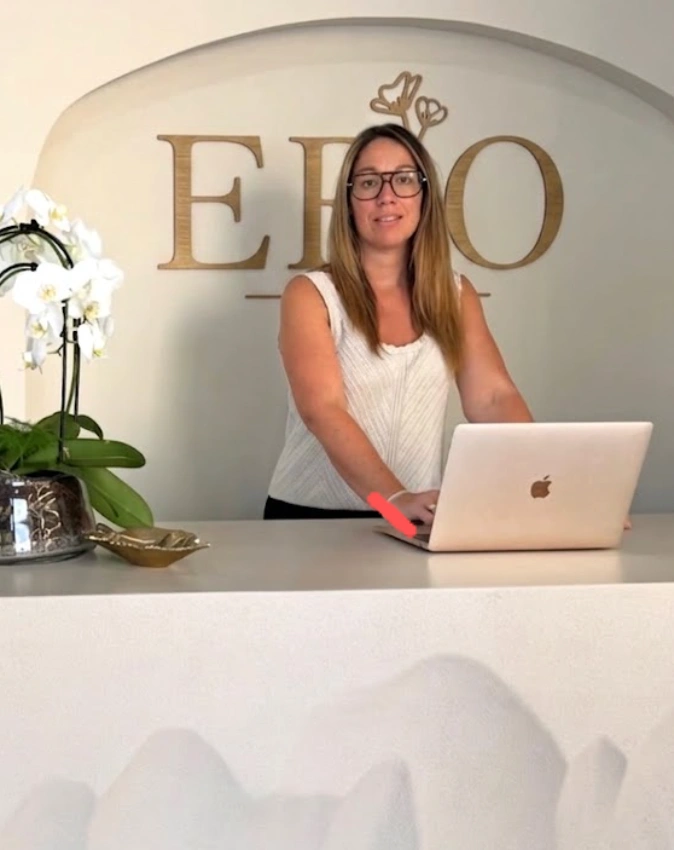
Patterns Drafted And Cloth Cut In Our Own Workroom
Book Your Appointment
Bring the garment, the shoes and the date. We will tell you what is possible in the time you have, and quote it in writing before anything is cut.